Dominating High-Footfall Delhi Retail Markets: Chandni Chowk, Karol Bagh & Lajpat Nagar
The Unseen Power of Micro-Media in Historic Market Lanes
For decades, conventional media agencies have dismissed the narrow, congested lanes of Old and South Delhi as dead zones for traditional outdoor advertising. The logic was simple: if you cannot fit a 4x6 billboard or a large hoarding, the space is worthless. However, this perspective ignores the reality of the Indian consumer journey. In districts like Chandni Chowk, Karol Bagh, and Lajpat Nagar, the consumer is not standing still; they are moving through dense, sensory-rich environments where attention is fragmented but intensely local. For jewellers, fashion retailers, and electronics wholesalers, these areas represent some of the highest footfall zones in the National Capital Region, yet they remain underserved by modern, agile marketing solutions. This is where the concept of hyperlocal advertising in old and south Delhi markets shifts from a niche strategy to a dominant growth lever. The key lies in understanding that in these historic bazaars, the 'street' itself is the media channel. The e-rickshaw, the tea stall, and the narrow footpath are not just infrastructure; they are touchpoints for daily interaction. By deploying media assets that are small, mobile, and contextually relevant, brands can bypass the regulatory hurdles and high costs associated with large-scale outdoor media while achieving higher engagement rates. SevaSquad has observed that retailers who integrate their messaging into the daily rhythm of these markets see a significant lift in store visits. The strategy requires a shift from 'broadcasting' to 'ambushing'—appearing exactly where the customer is looking, at the exact moment they are making a purchase decision. This approach allows brands to compete on visibility and relevance, rather than just budget size.
Tactical Deployment: E-Rickshaws, Merchandise, and CSR Integration
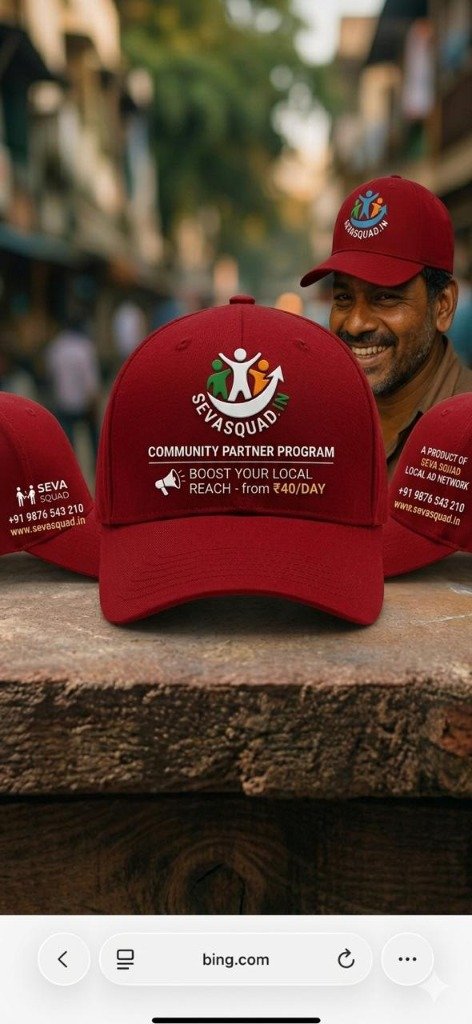
Executing a successful campaign in these dense corridors requires a multi-layered approach that combines mobility, tangible touchpoints, and community trust. The first and most critical element is the deployment of e-rickshaw advertising solutions. In the labyrinthine streets of Chandni Chowk and the bustling lanes of Karol Bagh, e-rickshaws are the dominant mode of last-mile transport. They are visible to pedestrians, other vehicle drivers, and passengers alike. A well-designed e-rickshaw wrap acts as a moving billboard that navigates the very streets where your target audience lives, works, and shops. Unlike static hoardings, these vehicles can be concentrated in specific high-density zones, ensuring that your brand message is repeated multiple times within a short radius. This repetition is crucial for retail conversion. Secondly, the tactile nature of retail in these markets demands physical presence. This is where promotional merchandise and caps become a powerful retention tool. In wholesale hubs like Lajpat Nagar, traders and customers often spend hours in the market. Distributing high-quality, branded caps or shirts at strategic points or as part of a loyalty program creates a walking advertisement that extends your reach beyond the market walls. These items are practical, frequently used, and serve as a constant reminder of your brand. Finally, trust is the currency of Old Delhi. Integrating your marketing with corporate philanthropy marketing initiatives can significantly enhance brand perception. By partnering with SevaSquad to execute welfare distributions or community support programs in these localities, brands align themselves with the social fabric of the neighborhood. This not only generates goodwill but also provides organic media opportunities through local news and community events, creating a halo effect that pure commercial advertising cannot achieve. The combination of mobile visibility, tangible merchandise, and social responsibility creates a comprehensive ecosystem that dominates the local mindset.
Measuring Impact and Scaling Your Hyperlocal Dominance
The advantage of hyperlocal campaigns is their measurability and scalability. Unlike broad-city campaigns, where ROI is often diluted, market-specific strategies allow for precise tracking. For retailers in Karol Bagh, the impact can be measured through direct footfall increases, coupon redemption rates from e-rickshaw QR codes, and social media geotagged mentions. SevaSquad’s data analytics track the density of media exposure in specific pin codes, allowing advertisers to optimize their placement in real-time. If a particular lane in Chandni Chowk shows higher engagement, resources can be shifted there to maximize impact. This agility is essential in fast-moving retail sectors like electronics and fashion. Moreover, the cost-efficiency of this model is undeniable. Monthly advertising campaigns can start from as low as ₹1,200 per month, making it accessible for small and medium enterprises that cannot afford premium media slots. For bulk orders of branded merchandise, costs start at just ₹40 per cap, enabling high-volume distribution without breaking the bank. This low barrier to entry allows for rapid experimentation and scaling. Once a brand establishes dominance in one market, the same playbook can be replicated in adjacent areas, creating a network effect across Delhi NCR. The goal is not just to be seen, but to be remembered and trusted. By leveraging the unique characteristics of these historic markets, brands can build a loyal customer base that is deeply rooted in the local community. This is the essence of hyperlocal dominance: turning the constraints of the environment into the strengths of your strategy. As Delhi continues to evolve, the brands that understand the pulse of its streets will be the ones that thrive.
Frequently Asked Questions
Why are e-rickshaws more effective than static billboards in Chandni Chowk?
Static billboards are often prohibited or extremely expensive in historic zones. E-rickshaws are mobile, can navigate narrow lanes, and provide repeated exposure to the same audience as they move through high-footfall areas, ensuring higher message retention and visibility in congested spaces.
How can we measure the ROI of promotional merchandise in wholesale markets?
ROI is measured through redemption codes printed on merchandise, direct inquiries citing the item, and tracking footfall increases in stores where merchandise is distributed. SevaSquad provides analytics on distribution zones to correlate item circulation with sales data.
What is the minimum budget required to start a hyperlocal campaign in South Delhi?
SevaSquad offers flexible entry points. Monthly advertising campaigns start from ₹1,200 per month, and bulk orders for branded caps start at ₹40 per unit, allowing even small retailers to test and scale their hyperlocal advertising strategies effectively.
Explore Relevant Advertising Formats
Want Eye-Level Brand Presence Across India?
Get your ads placed on moving e-rickshaws and street vendor living billboards (custom branded caps from ₹40/cap, monthly campaigns from ₹1,200/mo) across 19,000+ pincodes with 80G tax deductions.
Book Campaign on WhatsApp (+91 75430 21876)